Barely four hundred kilometres from north to south, Sri Lanka possesses a meteorological secret that confuses automated weather apps and rewards well-advised travellers: when rain sweeps across one coastline, the opposite shore is almost always bathed in calm, dry sunshine.
Ask a generic search engine for the best time to visit Sri Lanka and you will usually be handed a narrow winter window between December and March. While those months are glorious along the southern palms of Galle and Tangalle, treating the island as a single climate zone means missing half of its magic. Because a two-thousand-five-hundred-metre spine of granite mountains rises straight out of the central plains, Sri Lanka intercepts two completely separate Indian Ocean wind systems at different times of the year.
Understanding this dual-monsoon rhythm changes how you plan private Sri Lanka holidays. Rather than asking whether the island is in season, our local route architects simply ask which compass quadrant matches the month on your calendar—and design your chauffeur-guided loop accordingly.
Two monsoons, one year-round island: How Sri Lanka’s climate works
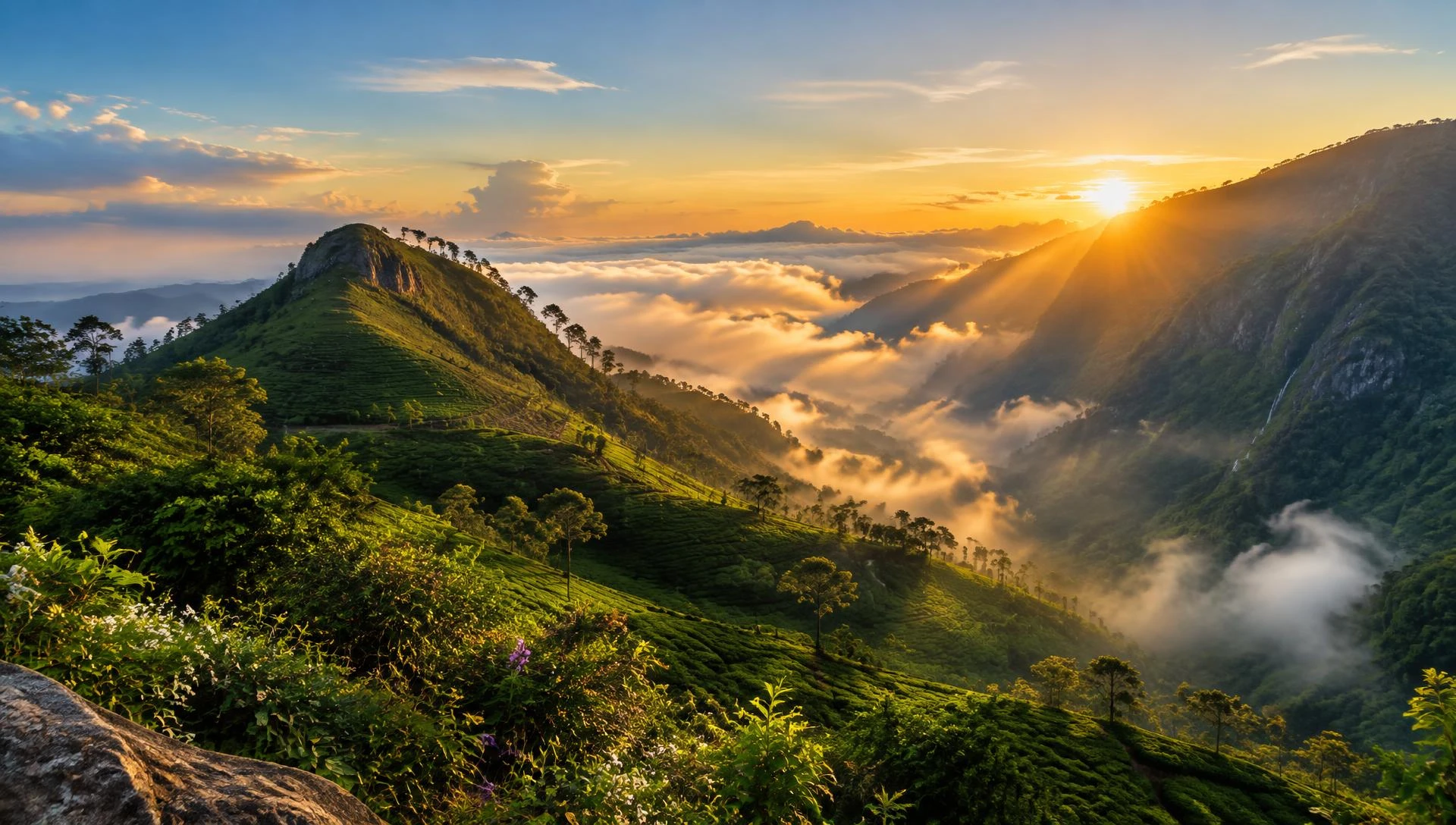
To find the best season to visit Sri Lanka for your travel style, start with the central mountains. When moisture-laden winds blow in from the ocean, they rise against the tea-covered slopes of Peak Wilderness, Horton Plains, and the Knuckles Range, releasing their rain on the windward side while leaving the leeward side of the island in a dry, sunlit rain shadow.
From mid-May through September, the southwest monsoon—known locally in Sinhala as the Yala monsoon—arrives from the southern Indian Ocean. It brings afternoon showers and lively surf to the west and southwest coasts from Colombo down to Mirissa, while sheltering the entire eastern coastline (Trincomalee, Nilaveli, Passekudah, and Arugam Bay) and the northern Cultural Triangle under clear blue skies. Then, between October and January, the wind reverses. The northeast Maha monsoon waters the ancient reservoirs of the north and east just as the southwest coast, Galle Fort, and the western tea valleys dry out into crisp, golden mornings.

December to April: The classic southwest coast, Galle, and hill country window
For travellers escaping the European or North American winter, December through April is widely regarded as the best time to go to Sri Lanka for a classic south-and-central circuit. If you are researching Sri Lanka Dec weather for a festive holiday, note a subtle insider distinction: the first ten days of December can still catch the tail end of inter-monsoon afternoon showers, whereas from mid-December onward the skies settle into reliable tropical sunshine with coastal temperatures hovering between 29°C and 31°C.
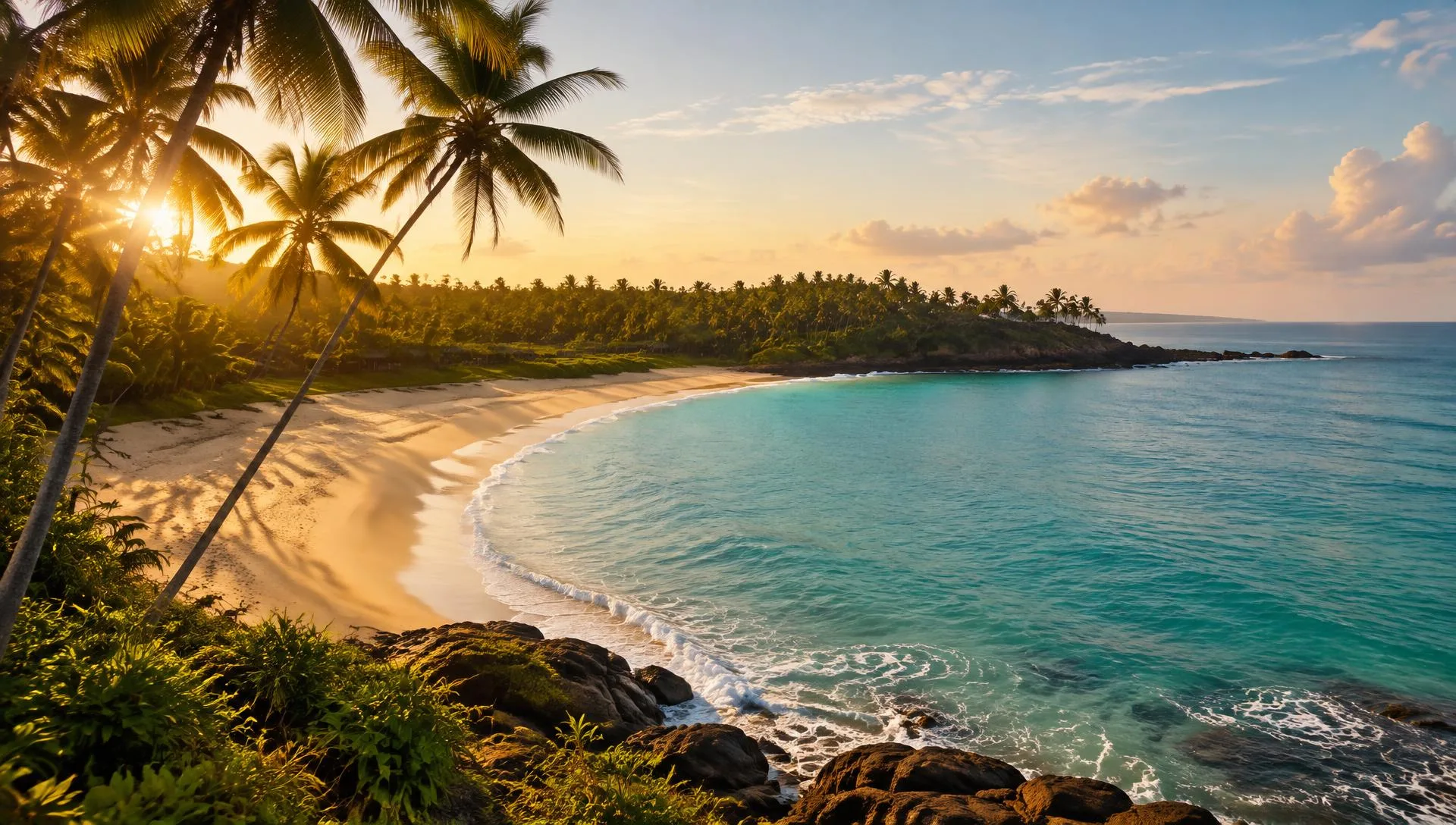
January, February, and March represent the driest months across the western lowlands, the southern beaches of Bentota, Weligama, Mirissa, and Tangalle, and the high tea estates. Ocean visibility along the south coast reaches its annual peak during this period, allowing private catamarans departing Mirissa harbour at dawn to encounter resident and migrating blue whales and pods of spinner dolphins in calm swells.

May to September: Sunshine on the east coast and the Cultural Triangle
If your holiday falls during the northern hemisphere summer between May and September, do not let southwest monsoon charts deter you. This five-month window is the best season to travel to Sri Lanka if you pivot your route toward the Cultural Triangle, the northern plains, and the eastern seaboard.
While the southwestern beaches experience monsoon swells, the east coast enters its own summer dry season. At Nilaveli, Uppuveli, and Passekudah, the Indian Ocean flattens into a warm, reef-protected lagoon where you can wade a hundred metres offshore in waist-deep water or snorkel over coral gardens around Pigeon Island. Further south at Arugam Bay, consistent dry offshore winds groom world-renowned right-hand surf point breaks from May through October, paired with quiet wildlife safaris into adjacent Kumana National Park.

Highland microclimates: Nuwara Eliya, Hatton, and the train to Ella
Temperature in Sri Lanka is governed by altitude rather than latitude. Along the coast and across the ancient dry-zone kingdoms of Anuradhapura, Polonnaruwa, and Sigiriya, daytime warmth remains remarkably steady between 28°C and 33°C throughout the year. The moment your chauffeur-guide climbs into the Central Highlands, the air changes character with every hundred metres of elevation.
In Kandy at five hundred metres above sea level, evenings are balmy and mild. Ascend to the colonial tea districts of Hatton and Nuwara Eliya at nearly nineteen hundred metres, and daytime temperatures drop to a refreshing 16°C to 20°C, while night-time readings between January and March dip to 9°C—cold enough for wood-burning fireplaces in heritage planter bungalows and occasional ground frost on the cloud-forest trails of Horton Plains. Regardless of the month, highland mornings between six and eleven o’clock are almost always the clearest window for walking through tea gardens or riding the observation train across the Nine Arch Bridge into Ella.
“In Sri Lanka, you never pack for a season; you pack for altitudes—linen for the noon ramparts of Galle, and cashmere for a fireplace dinner in the tea hills four hours later.”

The wildlife calendar: Yala leopards, blue whales, and the Minneriya gathering
For naturalists and photographers, the best time to visit Sri is dictated by water levels inside the national parks. In the southeast, Yala National Park offers superb leopard sightings from December through August; as the dry season progresses between May and August, forest waterholes shrink and leopards, sloth bears (drawn to ripening palu fruit in June and July), and elephants congregate around permanent lagoons. Keep one crucial logistical date in mind: the Department of Wildlife Conservation typically closes Yala Block 1 during September (and occasionally early October) to give the habitat a drought rest—during which our specialists route guests into quieter Yala Block 5, Wilpattu, or Udawalawe National Park.
Meanwhile, in the north-central Cultural Triangle, late July through September hosts one of Asia’s greatest wildlife spectacles: The Gathering. As rivers dry across the surrounding scrubland, up to three hundred wild Asian elephants migrate to the grassy shores of the third-century Minneriya and neighbouring Kaudulla reservoirs every afternoon—making August an extraordinary month to combine tailor-made family or wildlife tours with the Kandy Esala Perahera festival and the east coast beaches.

Field ledger: Month-by-month Sri Lanka weather, regions, and route guide
Use our 2026 concierge ledger below to match your exact travel month with the sunniest regions, wildlife peaks, and recommended route focus:
| Month | Prime Sunlit Regions | Signature Wildlife & Highlights | Recommended Route & Monsoon Note |
|---|---|---|---|
| January | South & West Coasts, Galle, Tea Hills, Yala, Cultural Triangle | Mirissa blue whales, Yala leopards, crisp Horton Plains dawns, Duruthu Perahera | Peak Classic Loop: Sigiriya, Kandy, Tea Trails, Yala & South Coast (brief showers fading in far NE) |
| February | Island-wide dry sunshine (West, South, Highlands & East warming) | Peak whale watching (Mirissa & Kalpitiya dolphins), Adam’s Peak pilgrimage | Grand Island Odyssey combining both coastlines & central highlands (minimal rain island-wide) |
| March | South & West Coasts, Cultural Triangle, Ella, Wilpattu, Yala | Superb leopard tracking as waterholes recede; calm southern snorkelling | Boutique Culture, Tea & South Coast Villa Route (dry & warm; misty late afternoons in hills) |
| April | Both Coasts calm in transition; Cool Nuwara Eliya Highlands | Sinhala & Tamil New Year (Avurudu) rituals; highland botanical blooms | Central Tea Bungalows + Tangalle or Trincomalee (warm pre-monsoon showers late in month) |
| May | East Coast (Trincomalee, Passekudah, Arugam Bay) & North | Vesak Poya lantern festival; Trincomalee whale season begins | Cultural Triangle, Kandy & East Coast Beach Sanctuary (Yala SW monsoon begins on west coast) |
| June | East Coast, Cultural Triangle, Jaffna, Yala & Wilpattu | Sloth bears feeding on palu berries in Yala; Arugam Bay surf prime | Ancient Kingdoms, Wilpattu/Yala Safari & Passekudah Luxury Bay (rougher seas on SW coast) |
| July & August | East Coast, Cultural Triangle (Sigiriya/Dambulla), Jaffna, Ella | Minneriya Elephant Gathering (250+ elephants) & Kandy Esala Perahera | Best Summer Family & Honeymoon Route: Sigiriya, Kandy, Ella & East Coast (short afternoon rains in SW) |
| September | East Coast, Cultural Triangle, Udawalawe & Wilpattu | Peak Minneriya/Kaudulla elephants; quiet east coast lagoons | Cultural Triangle, Tea Country & Udawalawe/Yala Block 5 Safari (Yala Block 1 closed for drought rest) |
| October & November | Flexible micro-routing (bright mornings & emerald landscapes) | Lush waterfalls in Ella/Kitulgala; 5-star boutique value (25–35% lower rates) | Slow Boutique & Ayurveda Wellness Route with flexible private chauffeur (inter-monsoon afternoon rains) |
| December | Southwest Coast (Galle, Weligama, Tangalle), Tea Hills & Yala | Festive southern beach season, whale watching & emerald hill country | Classic Southern Coast, Yala Safari & Highland Tea Estates (settled dry sunshine from mid-Dec) |

Regional Monsoon Comparison
Recommended Multi-Day Route
The 12-Day Season-Smart Classic Route
Sigiriya → Minneriya → Kandy → Tea Trails → Ella → Yala → Galle or East Coast
Days 1–4
Sigiriya & the Cultural Triangle
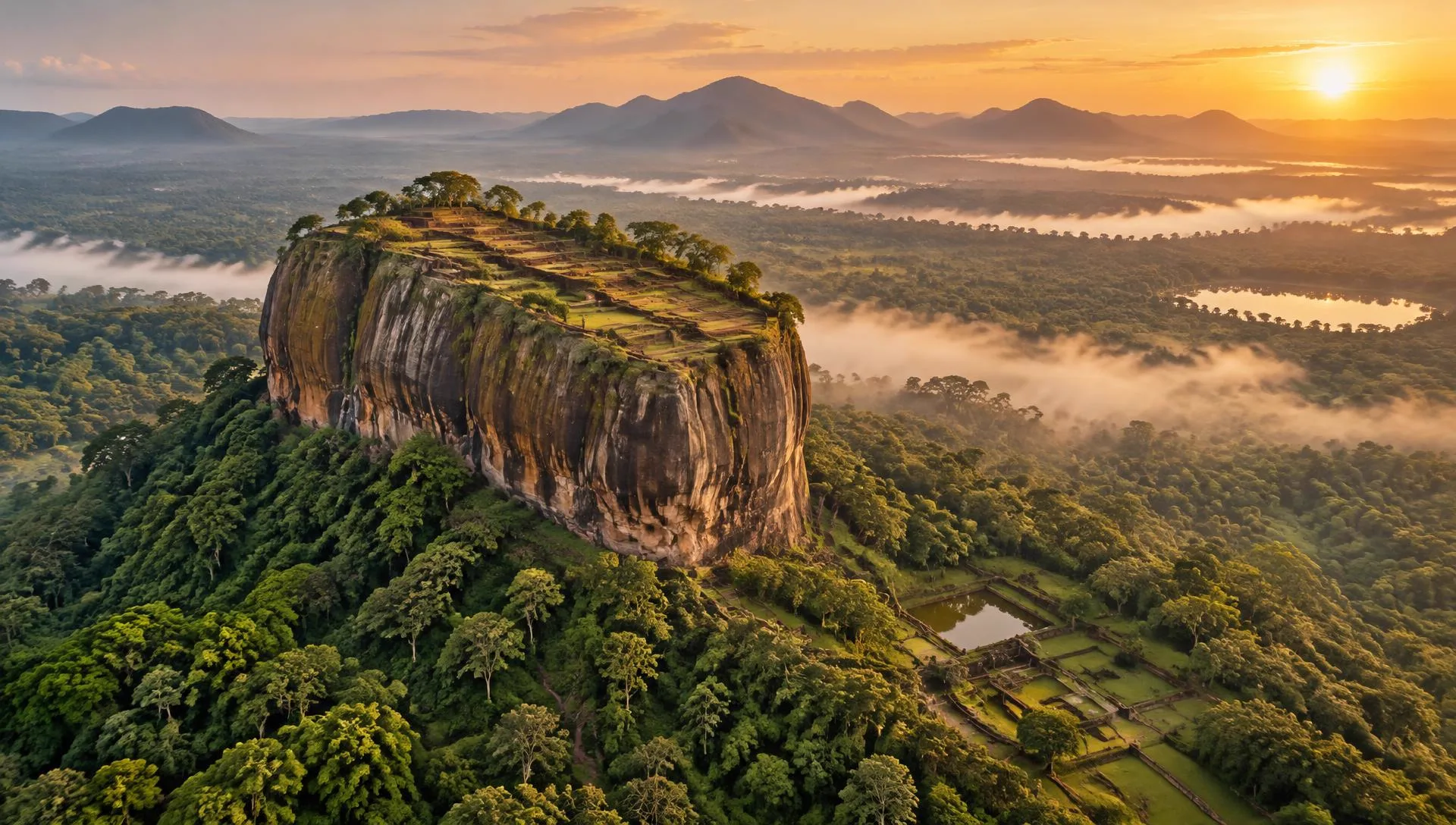
Sunrise over Sigiriya, Dambulla cave temples and an afternoon jeep safari to the Minneriya elephant gathering.
Days 5–8
Kandy, Tea Trails & the Ella Train
The Temple of the Tooth, a heritage planter bungalow in Hatton and the observation train across the Nine Arch Bridge.
Days 9–12
Yala & a Coast Matched to Your Month
Private leopard game drives, then Galle Fort and the south coast (Dec–Apr) or Trincomalee and Passekudah (May–Sep).
Hatton HighlandsHighland Bungalow
Ceylon Tea Trails
From $680 / night
Yala WildernessTented Safari Lodge
Wild Coast Tented Lodge
From $920 / night
Seasonal CoastSeasonal Coast Villa
Karpaha Sands / Cape Weligama
From $540 / night
← Swipe table to compare 4★ Boutique, 5★ Luxury & Villa tiers →
| 2026 Daily Rates | 4-Star Boutique | 5-Star Luxury | Ultra-Luxury Villa |
|---|---|---|---|
| Accommodation, peak season (Dec–Apr / Jul–Aug) per room / night | $180 | $460 | $1,050 |
| Accommodation, green shoulder (May–Jun / Sep–Nov) per room / night | $125 | $320 | $720 |
| Private SUV & SLTDA chauffeur-guide (per day) | $95 | $120 | $180 |
| Safaris, experiences & entrance fees (per person / day) | $60 | $110 | $220 |
| Typical total / day | $460 | $1,010 | $2,170 |
February is the strongest all-round month: the south and west coasts, the hill country and the Cultural Triangle are all dry, seas are calm for Mirissa whale watching, and the east coast is starting to warm up. January and March are close seconds.
Written & Verified
Written & Verified by Themiya Gamage — Founder & Chief Journey Architect at Ceylora Journeys, reviewed with licensed SLTDA specialist guides.
Themiya Gamage